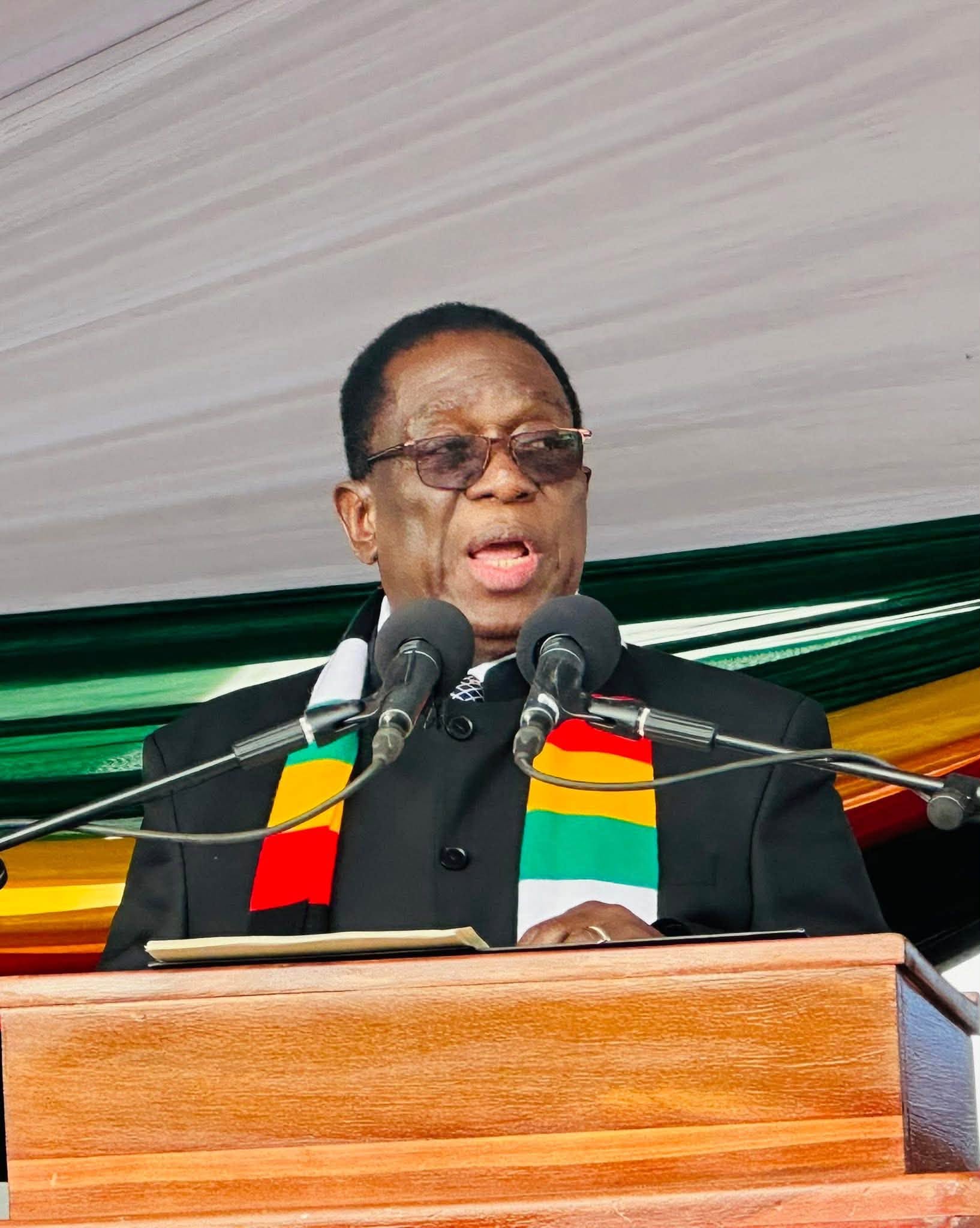
PRESIDENT Emmerson Mnangagwa yesterday signed the Constitution of Zimbabwe Amendment (No. 3) Act, 2026 (CAB3) into law, enacting the most comprehensive overhaul of the country’s governance framework since 2013.
Under this new framework, the National Assembly and the Senate will act as an Electoral College to choose the Head of State.
Additionally, the law extends the terms of office for the President, Parliament, and local municipal councils from five years to seven years.
This structural shift effectively extends the current governance cycle, moving the next scheduled national elections out from 2028 to 2030.
The bill’s final approval followed an extraordinary parliamentary recall on 30 June 2026, during which the National Assembly voted 226 to 41 to adopt technical amendments introduced by the Senate.
These final updates mandate the Zimbabwe Electoral Commission (ZEC) to preside over the parliamentary electoral college vote while transferring routine voter registration duties back to the Registrar-General’s office.
In addition CAB3 changes the appointment format for upper-tier judges by eliminating public interviews in favour of direct executive appointments following administrative consultations.
Government representatives and legal supporters have strongly defended the amendments as key upgrades for national governance and institutional continuity.
Special Presidential Adviser on Investments and Grassroots Empowerment Dr. Paul Tungwarara publicly welcomed the development, characterising the overwhelming parliamentary vote as an accurate reflection of the popular will.
Similarly, academic and former cabinet minister Professor Jonathan Moyo said that indirect parliamentary systems are standard, successful practices in mature democracies like South Africa and the United Kingdom.
From the government’s perspective, a seven-year cycle provides local government authorities in areas like Chitungwiza and Mashonaland East Province with a stable, uninterrupted horizon to execute critical long-term infrastructural developments.
However, the bill has drawn sharp criticism from civic groups, opposition parties, and human rights organisations.
Civil society coalitions have voiced intense concern over the removal of direct citizen suffrage for the presidency.
The Law Society of Zimbabwe and other legal experts argued that modifications of this magnitude should have required a public referendum rather than a purely parliamentary vote.
Opponents also expressed concern over the decision to extend the current terms of sitting lawmakers, arguing that it compromises basic constitutional accountability to the electorate.